

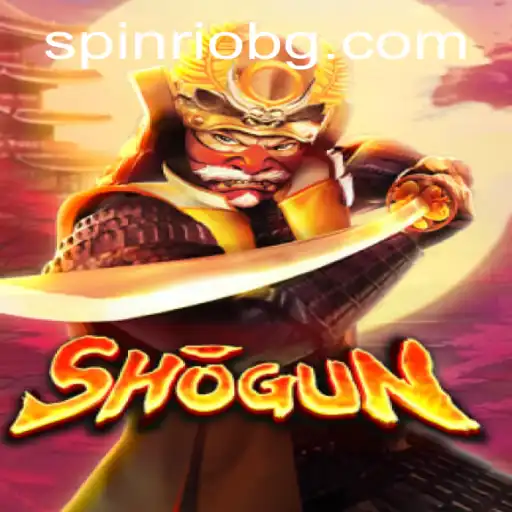
Exploring the Strategic Depth of Shogun: A Timeless Game of Tactics
The world of strategy games is vast and full of intriguing titles that challenge players' intellect and decision-making skills. Among these, "Shogun" stands out as a particularly engaging experience, blending historical themes with rich gameplay mechanics. This article delves into the captivating description, introduction, and rules of Shogun, highlighting its enduring appeal in the context of contemporary gaming culture.
The Essence of Shogun: A Historical Context
Shogun, inspired by Japan's Sengoku period, offers players a strategic journey through a time when feudal lords vied for power and dominance. The game captures the essence of this era, allowing players to step into the shoes of a daimyo, a powerful regional warlord, with ambitions to become the shogun, the ultimate ruler of Japan.
The lush historical backdrop and the intricate details of samurai culture provide players with a rich canvas upon which to project their strategic prowess. Each decision affects not only the player's progress but also the dynamics of the game's fictional geopolitical landscape, making Shogun a captivating experience that resonates with history buffs and strategy aficionados alike.
Shogun Gameplay: A Masterstroke in Strategy
Shogun's gameplay is built on a foundation of careful planning, resource management, and tactical brilliance. Players must balance their approach between military conquest, political maneuvering, and economic growth. The nuanced mechanics require a thorough understanding of each element to achieve victory.
The game is played on a board representing Japan, divided into provinces. Each province generates resources and provides opportunities for expansion. Players must wisely deploy their armies, manage supply lines, and respond to both direct confrontations and subtle power shifts. The importance of maintaining a strong economy while supporting military endeavors cannot be overstated.
Core Rules of Shogun
Central to Shogun are its rules, which guide players through a complex but rewarding gameplay experience. The game begins with the setup phase, where players receive their initial territories, resources, and units. Throughout each turn, players must strategically allocate their actions to maximize their influence.
The order of play involves several phases, each with distinct objectives:
- Planning Phase: Players secretly determine the actions they will take during the upcoming round. This phase emphasizes foresight and strategic planning, as anticipating opponents' moves can provide a crucial advantage.
- Movement Phase: Players deploy their armies and engage in battles to control territories. Understanding terrain advantages and force composition is vital to success on the battlefield.
- Economic Phase: Managing your economy involves resource allocation, ensuring that your armies are well-supplied and capable of sustaining prolonged campaigns.
- Resolution Phase: Outcomes of battles and diplomatic actions are determined, influencing territorial control and resource distribution.
Victory in Shogun is determined by the successful acquisition and control of key provinces, combined with the cumulative power players accumulate through their savvy decision-making.
Shogun in Modern Gaming Culture
As gaming culture evolves, the significance of games like Shogun remains prominent. The blend of historical authenticity and deep strategic gameplay holds a special place in the hearts of enthusiasts who seek more than just entertainment — they crave a mental challenge grounded in cultural narratives.
Recently, the accessibility and popularity of strategy games have increased, thanks in part to digital platforms and gaming websites like h2.bet.br. These platforms have facilitated the inclusion of traditional board games into the digital arena, making it easier for players around the world to engage with classics like Shogun.
In particular, the integration of online multiplayer features and modern digital adaptations has broadened Shogun's appeal, drawing in new players without sacrificing the challenges and strategic depth that define it. As a testament to its lasting allure, Shogun continues to inspire not only game designers but also players who seek to explore the historical and tactical complexities it offers.